
Analysis
Nordic Fashion Industry Summit 2026: Nordic Fashion Enters the Age of AI
In Gothenburg, the Nordic Fashion Industry Summit 2026 brings the industry together around AI, sustainability and innovation — an occasion to ask what role Africa should play in fashion's global transformation.
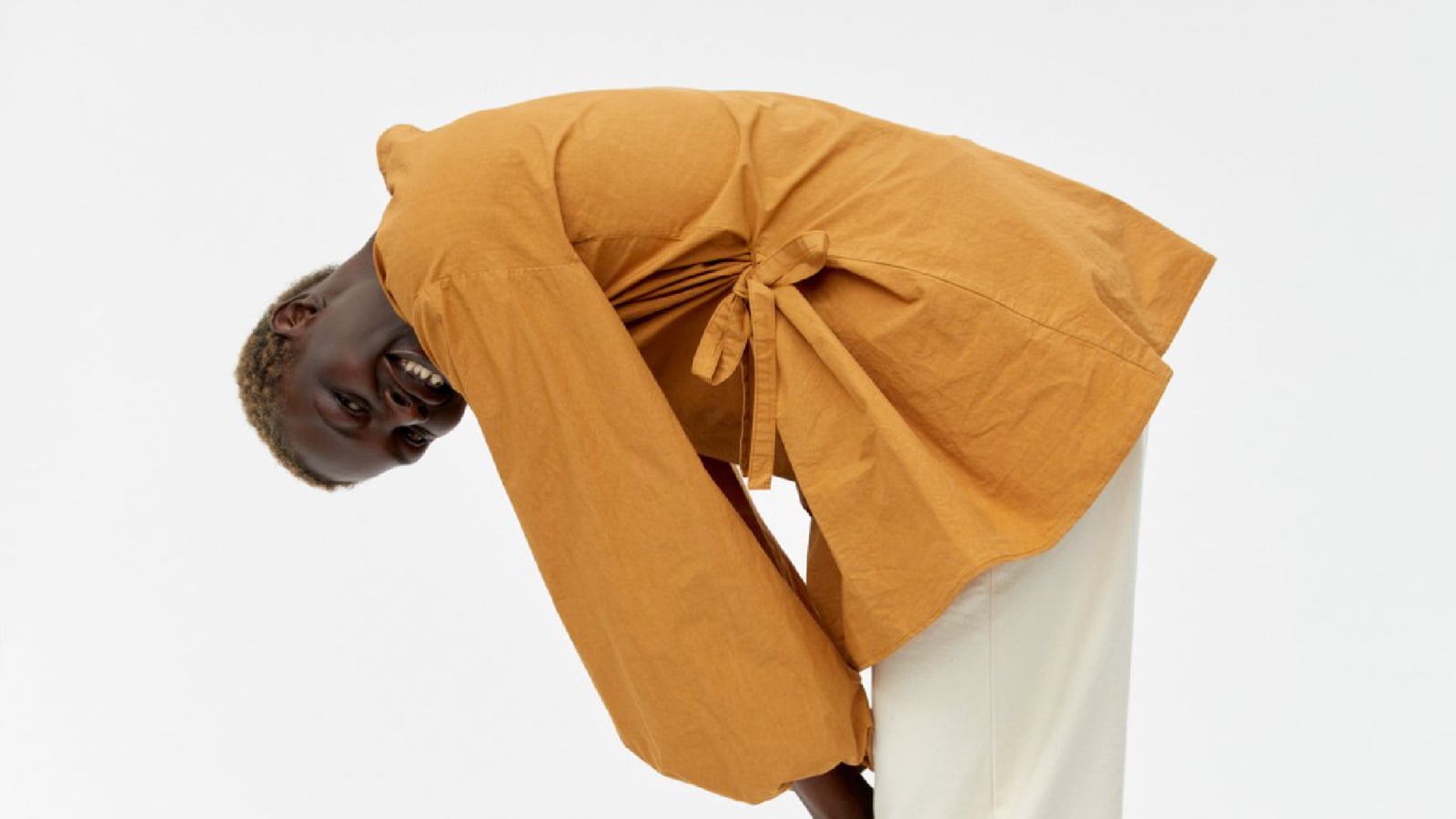

Gothenburg, Sweden — September 24, 2026. Nordic fashion converges on Gothenburg for the Nordic Fashion Industry Summit 2026, a gathering built around the forces reshaping the industry: artificial intelligence, digital innovation, sustainability, circularity and new business models.
Brands, retailers, technology players and industry professionals will compare notes around a single question: how does a business stay competitive when technology and shifting consumer expectations are upending established models?
Confirmed speakers include leaders and experts from J.LINDEBERG, Les Deux, Kappahl, Norrøna and other major players across the Nordic fashion ecosystem.
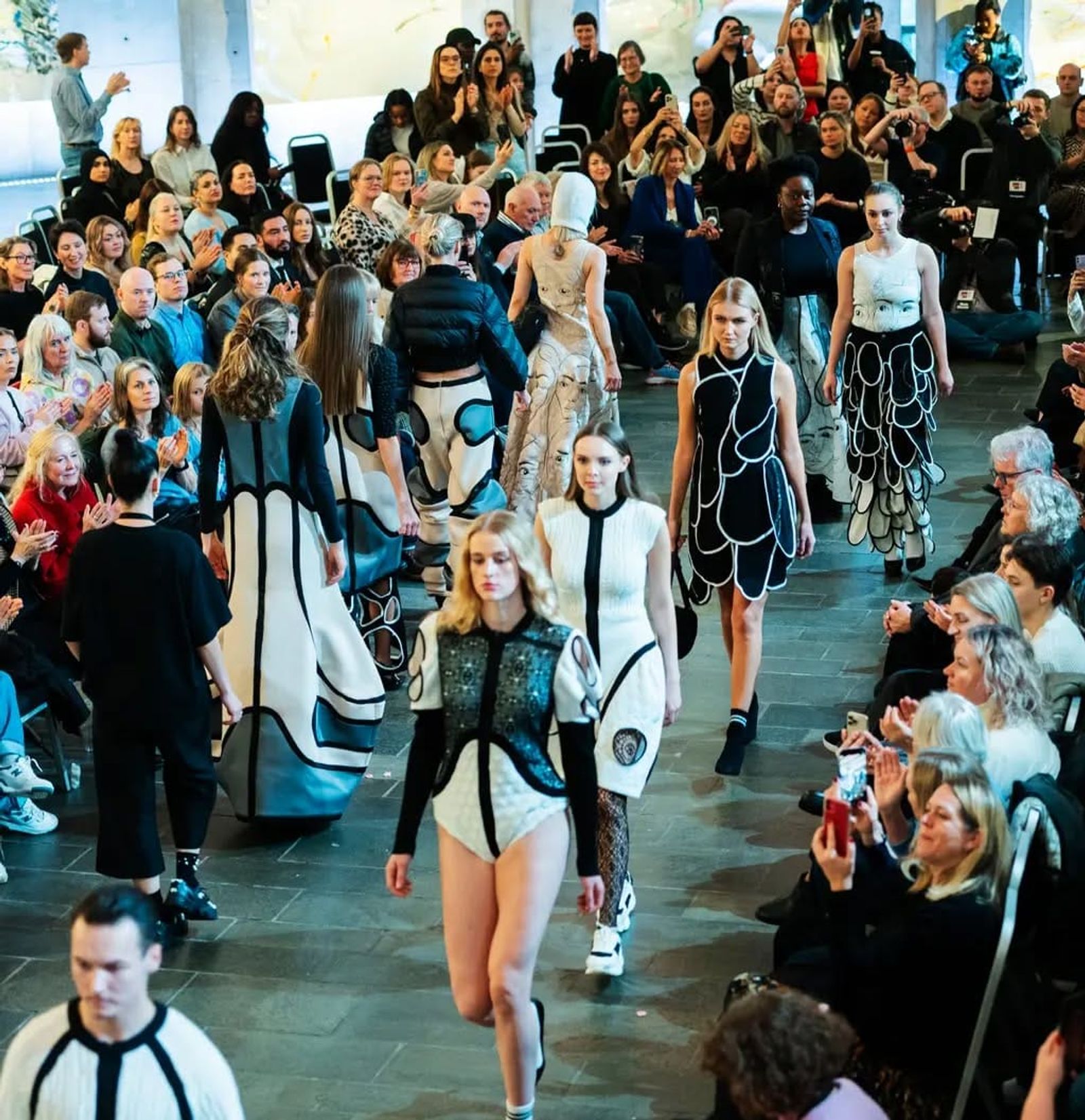
Where does Africa fit into this shift?
It's a question worth asking.
While the summit's focus will be on AI, sustainability and innovation, African fashion players have a stake in this new industry too. Designers, entrepreneurs, artisans, manufacturers and digital platforms across Africa are building their own models, often at the intersection of creativity, cultural identity and digital technology.
The question shouldn't be whether Africa is merely a market or a source of inspiration, but whether it can be recognised as a partner capable of contributing to fashion's global innovation.
Circularity, textiles, local production, traceability and digital commerce all offer real ground for cooperation between the Nordic and African ecosystems.
A Nordic scene taking shape
The summit's relevance also lies in the wider context surrounding it. Nordic fashion isn't built solely in Stockholm, Copenhagen or Oslo. New scenes are emerging, each looking to assert its own identity.
Bergen is one of them.
With Bergen Fashion Week, the city aims to build a platform where fashion meets culture, creation, commerce and innovation. The 2026 edition, running from 10 to 17 October, will combine runway shows, conferences, workshops, industry meetings and cultural events.
This momentum matters because it helps establish fashion as a cultural and economic sector in its own right. A fashion week isn't only about presenting collections: it connects designers, businesses, media, talent, institutions and audiences, while strengthening a place's appeal.
For Bergen, the stakes are also about positioning: making the city a recognisable destination for Nordic creativity.
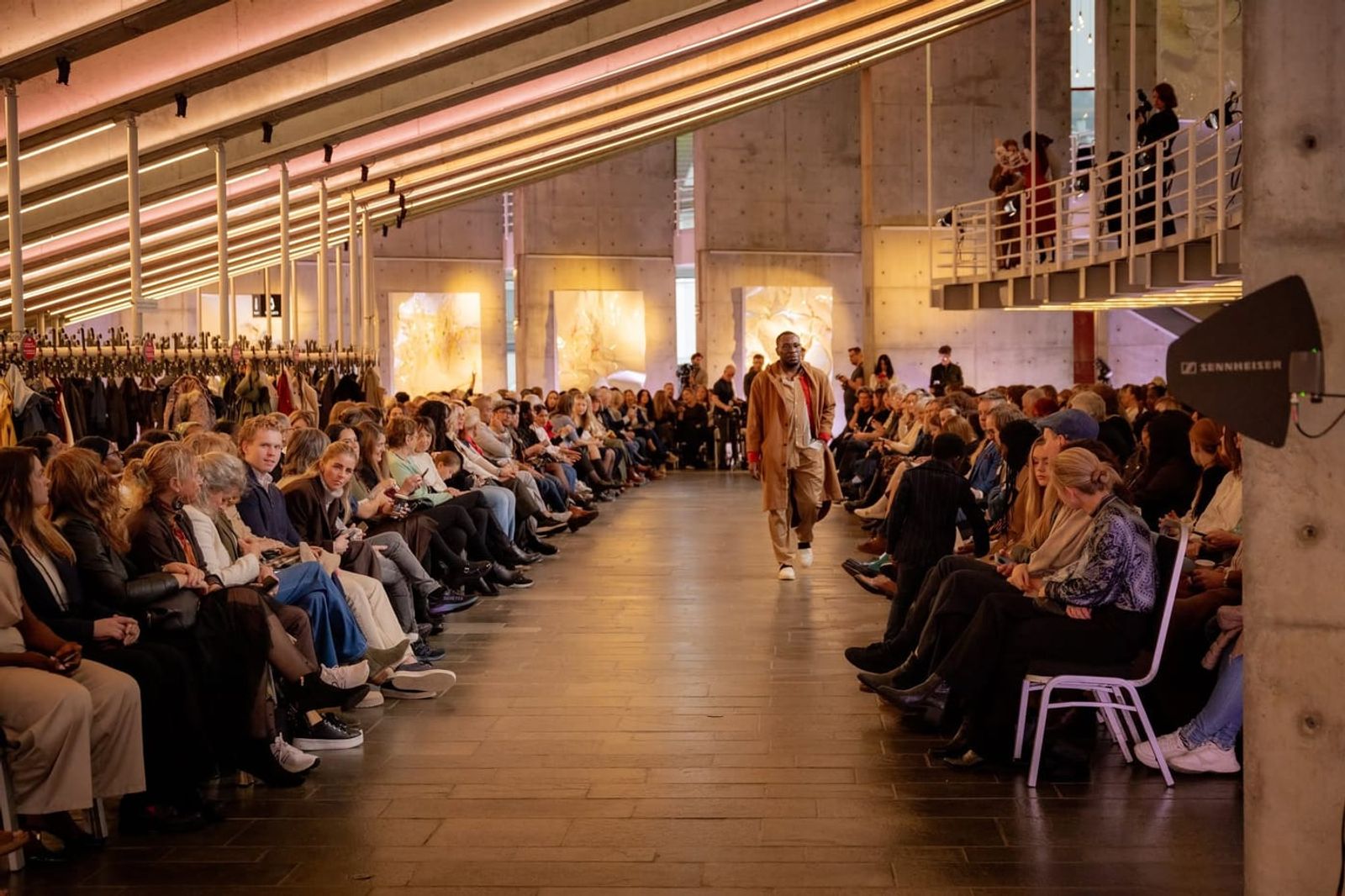
A city where cultures meet
Bergen already has a striking example of this ability to bring cultures into dialogue.
The career of T-Michael, a designer born in Ghana and based in Bergen, has for years embodied this meeting of African heritage and Scandinavian aesthetics. His work in tailoring and his approach to responsible production show that a creative identity can be built that is neither exclusively African nor exclusively Nordic, but born precisely from their encounter.
That reality gives particular resonance to the African question within the Nordic debate.
What if Africa had a bigger seat at the table?
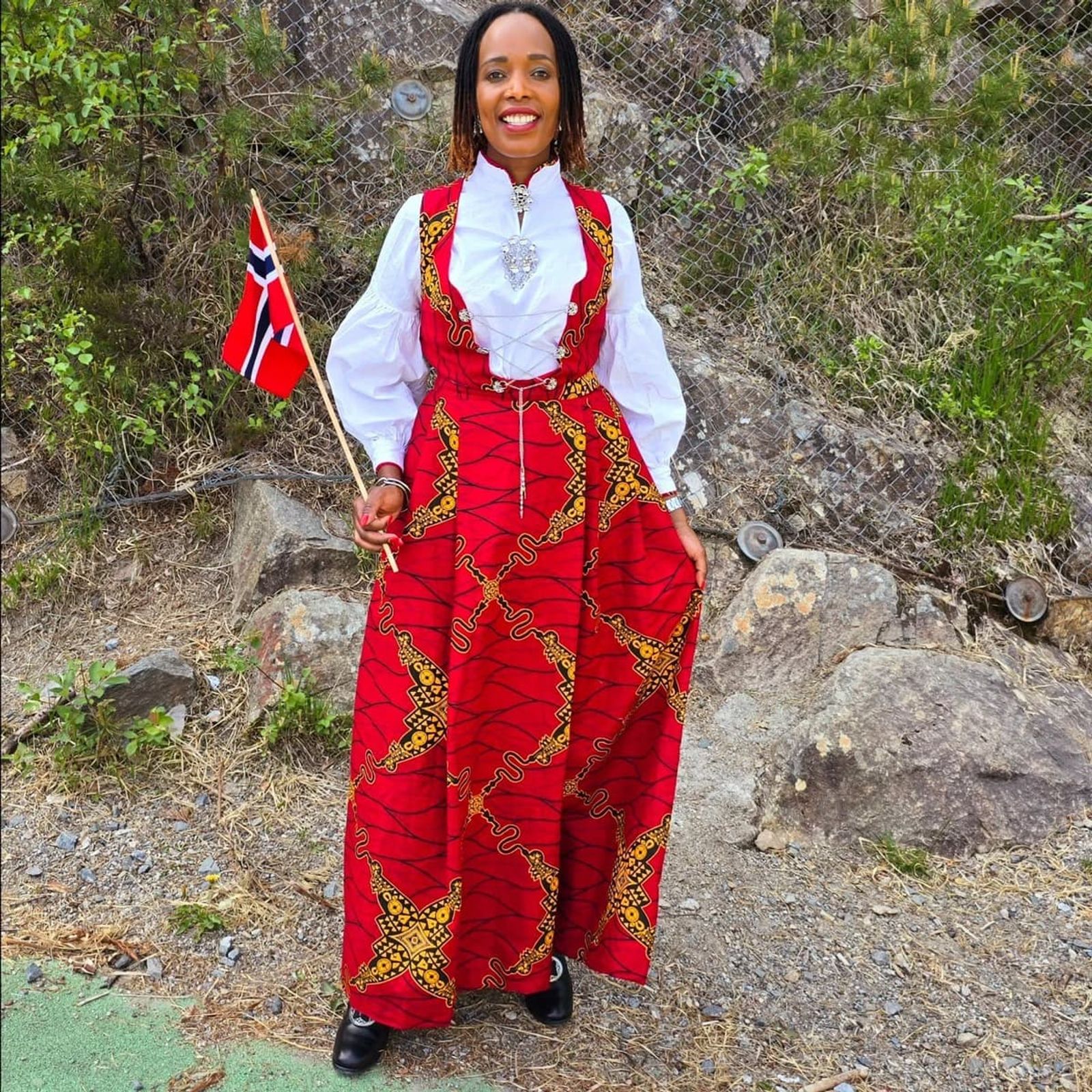
That's probably one of the questions the Nordic industry will gradually have to face.
Africa now has a new generation of designers, entrepreneurs, manufacturers and digital players building brands and business models suited to their own realities.
On sustainability, local production, craftsmanship, materials, cultural identity and digital commerce, African experience can bring different perspectives to a global industry in the middle of reinvention.
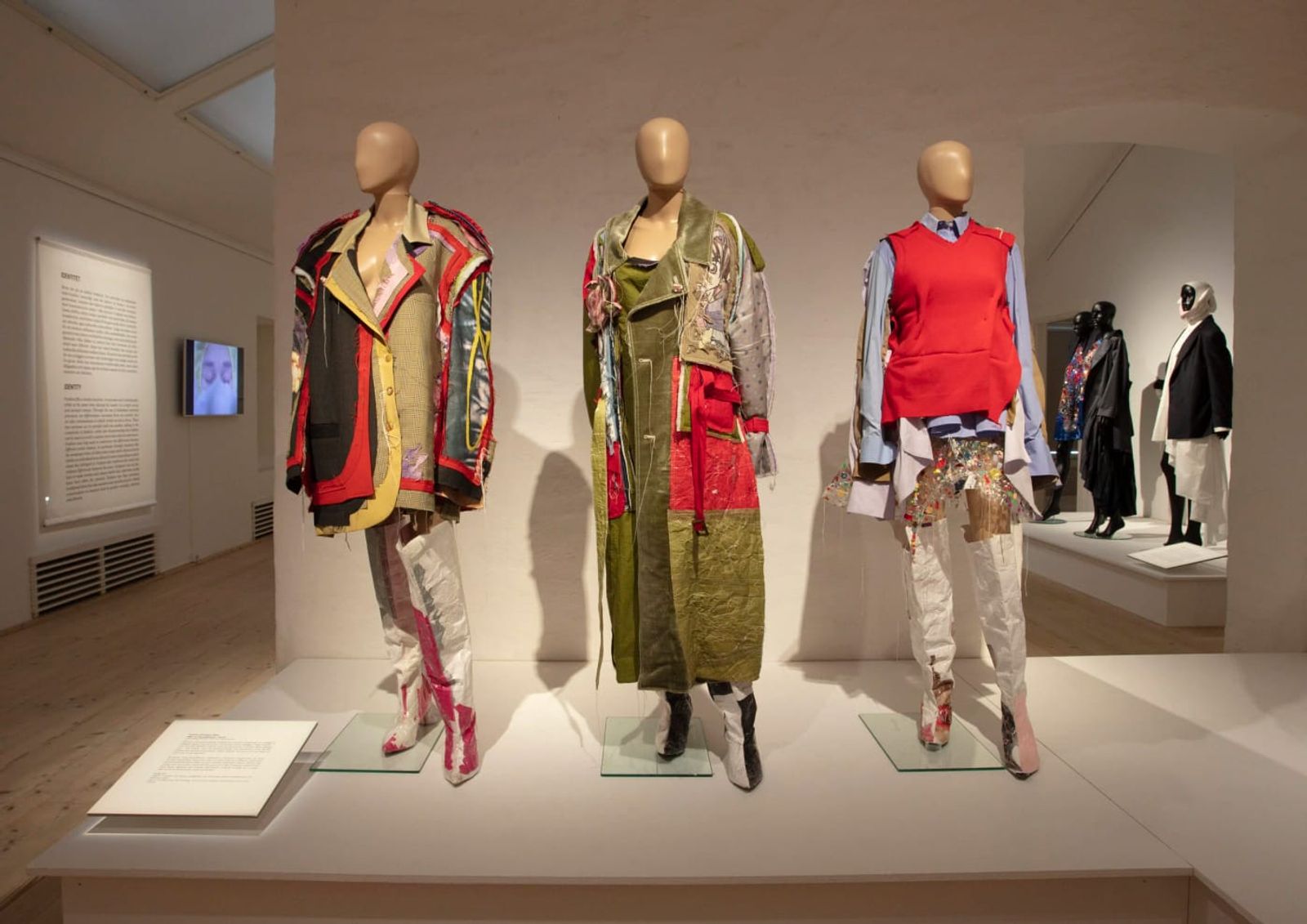
The point is no longer to see Africa only as a market, a source of raw materials or an aesthetic inspiration.
It's about recognising its players as partners in innovation and value creation.
Building bridges
The Nordic Fashion Industry Summit 2026 is, in that sense, a chance to look beyond Scandinavia's borders. A genuine opening toward Africa could spark new collaborations between Nordic technology, African craftsmanship, and a new generation of creators and entrepreneurs.
Fashion's future will likely be more technological, more responsible and more connected.
It will also need to be more international.
And in that new equation, Africa shouldn't only show up on runways or moodboards. It belongs at the table.
Comments
No comments yet.
Leave a comment
Comments are moderated before publishing, in a spirit of kindness.

Have a project, a talent or a collaboration in mind?
Let's make it happen.